
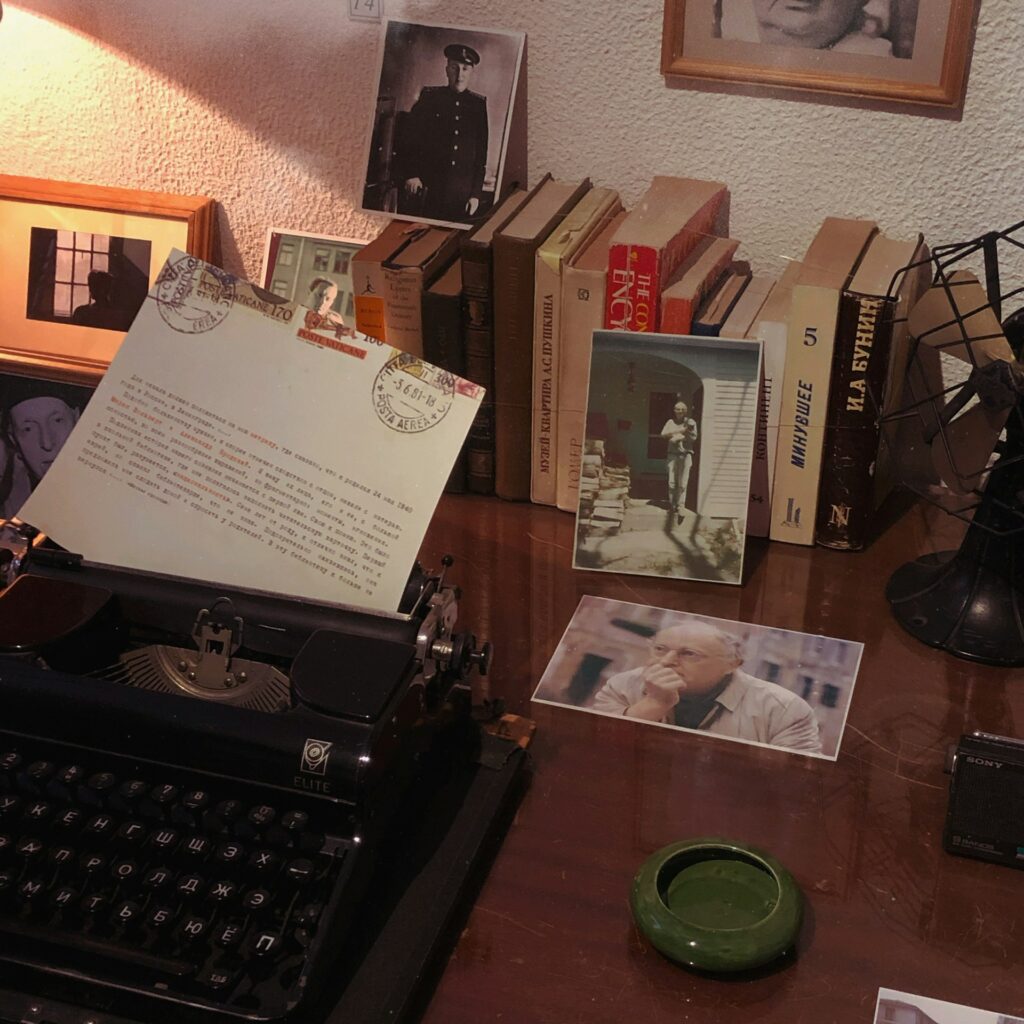
Writers have been working from home long before it became normal. For many of them, the home isn’t just where work happens — it’s where thinking happens. Because of that, writers often develop a particular relationship with focus, space, and time.
Looking at how writers work at home can teach us something useful: focus isn’t created by perfect furniture or elaborate setups, but by how a space supports attention.
Focus Is the Real Workspace
A writer’s “workspace” is rarely defined by equipment. Many write with nothing more than a laptop, a notebook, or a desk that would look underwhelming in a catalog. What matters is whether the space helps them stay with a thought long enough to finish it.
Writers tend to optimize for:
- mental continuity
- minimal interruption
- a sense of psychological separation from daily life
This is why their setups often look simple, even austere. The space exists to disappear once writing begins.
Silence, Noise, and Control
One thing writers care deeply about is control over sound. Some need complete silence. Others rely on steady, predictable noise — rain sounds, instrumental music, or a familiar café ambiance.
What matters is not silence itself, but consistency. Sudden noises pull attention outward, breaking concentration. Many writers design their home workspace less around quietness and more around sound reliability.
This is a useful insight for anyone working or studying at home: focus improves when your environment behaves predictably, even if it isn’t perfectly quiet.
Time Shapes the Space
Writers often arrange their workspace around when they work, not just where.
A desk near a window might exist solely for morning writing. A corner desk might be avoided during the afternoon when the house is active. Some writers don’t change the space at all — they change the time they use it.
This shows that a home workspace doesn’t need to be perfect all day. It only needs to work well during the hours that matter most.
Small Spaces Can Still Support Deep Focus
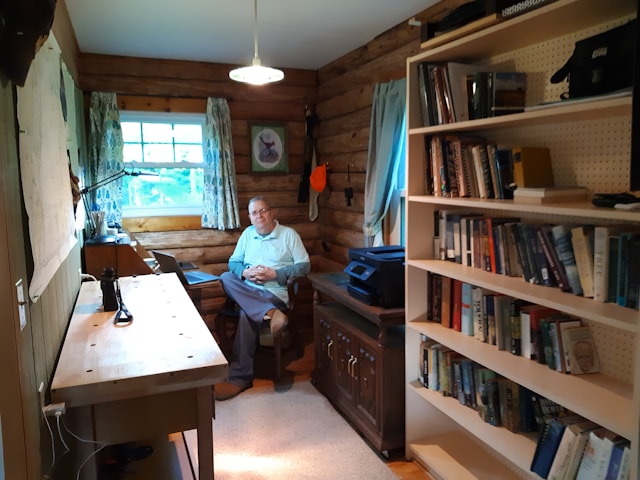
Many writers work in small apartments, shared homes, or rooms that serve multiple purposes. Instead of expanding the space, they narrow their attention.
Common strategies include:
- using the same seat every time they write
- keeping only writing-related objects on the desk
- facing a wall instead of the room
- starting with a ritual that signals “this is writing time”
These are not design tricks. They are ways of reducing decision-making and mental friction.
What This Teaches Us About Working at Home
Writers remind us that a home workspace doesn’t have to be impressive to be effective. It needs to support one thing above all else: sustained attention.
Whether you are studying, working remotely, or doing creative work, the lesson is the same:
- focus comes from clarity, not complexity
- consistency matters more than flexibility
- the best workspace is often the one you stop noticing
In that sense, writers don’t just work from home. They quietly design their environment around thinking — and that is something anyone can learn from.